Introduction
In the rapidly evolving retail landscape, giants like Target are constantly innovating to enhance customer experience. One of the most exciting developments is Target’s pilot program introducing AI-powered personalized seasonal gift guides within their U.S. app. This initiative is not just a trend; it represents a significant shift in how consumers approach seasonal shopping.
The Need for Personalization in Retail
As competition in retail intensifies, the demand for personalized shopping experiences has surged. A 2023 survey indicated that 80% of consumers are more likely to make a purchase when brands offer personalized experiences. Personalized gift guides could transform the way shoppers discover and select gifts for their friends and family.
Why Seasonal Gift Guides?
Seasonal gift-giving occasions such as holidays, birthdays, and anniversaries can be stressful for consumers. Target’s AI-powered gift guides aim to alleviate this stress by providing tailored recommendations that align with individual preferences and shopping habits. This not only enhances customer satisfaction but also drives sales for Target.
Understanding Target’s AI Approach
Target’s AI technology analyzes user data, including past purchases, browsing history, and customer preferences. By leveraging machine learning algorithms, the app effectively curates a selection of gift suggestions tailored to the user’s unique profile.
The Technology Behind the Magic
Utilizing sophisticated algorithms, Target’s AI can discern patterns in consumer behavior. For instance, if a user frequently purchases eco-friendly products, the app may highlight sustainable gift options during the holiday season. This not only enhances the shopping experience but also increases the likelihood of purchase.
User Experience and Interface
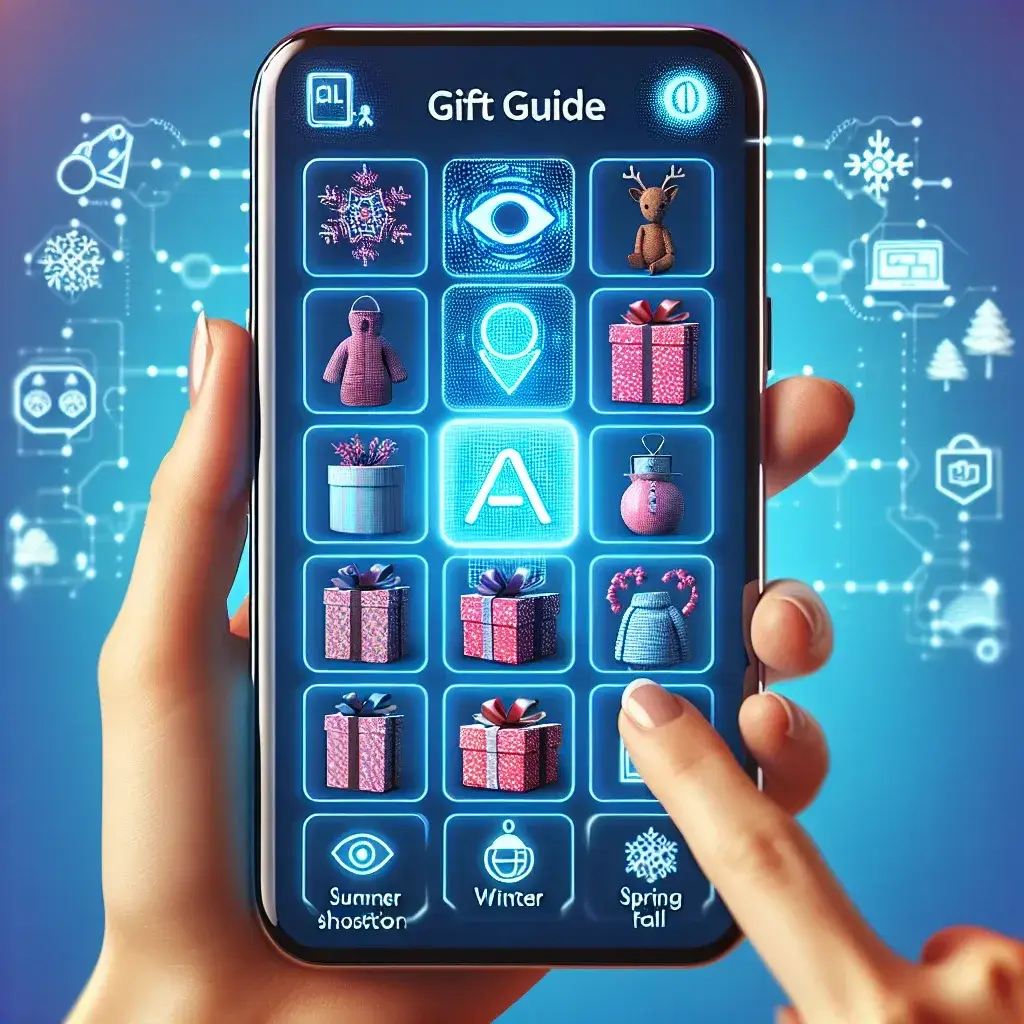
The integration of AI into Target’s app is designed with user experience in mind. The interface is intuitive, making it easy for users to navigate through tailored gift options. Users can filter suggestions based on various criteria such as price range, occasion, and recipient, making it a seamless shopping experience.
Potential Benefits of AI-Powered Gift Guides
- Enhanced Shopping Experience: Personalized recommendations simplify the decision-making process and reduce shopping time.
- Increased Sales: By offering targeted suggestions, Target can potentially see higher conversion rates and increased average order values.
- Improved Customer Loyalty: Customers who feel understood are more likely to return, fostering brand loyalty.
- Data-Driven Insights: The data collected through the app can help Target refine its marketing strategies and inventory management.
Challenges and Considerations
While the potential benefits are significant, there are challenges that Target must navigate. Privacy concerns surrounding user data are paramount. Consumers must feel confident that their information is secure and used ethically.
Balancing Personalization with Privacy
To build trust, Target needs to ensure transparency in how customer data is collected and used. This includes clear communication about data privacy policies and providing users with control over their information.
The Future of AI in Retail
As AI technology continues to advance, its role in retail will likely expand. Experts predict that by 2025, over 90% of retailers will have adopted some form of AI. For Target, this pilot program could serve as a stepping stone towards a more comprehensive AI strategy.
Real-World Implications
The implications of AI-powered gift guides extend beyond Target. As more retailers adopt similar technologies, consumers can expect a highly personalized shopping experience across various platforms. This shift could redefine customer expectations and set new standards for retail.
Cultural Relevance and Trends
In a world increasingly driven by technology, the relevance of personalized shopping experiences cannot be understated. Trends indicate a growing desire for unique, curated options that reflect individual tastes and preferences.
Expert Opinions
Industry experts highlight that personalization is the future of retail. According to Dr. Emily Johnson, a retail analyst, “As consumers become savvier, their expectations for tailored experiences will only increase. Retailers must adapt or risk losing their market share.”
Conclusion
Target’s initiative to pilot AI-powered personalized seasonal gift guides in their U.S. app represents a significant leap towards a future where shopping is not just a transaction but an experience tailored to individual needs. As this technology matures, the potential for enhanced customer engagement and increased sales makes it a promising venture for not only Target but the retail industry as a whole.