Introduction
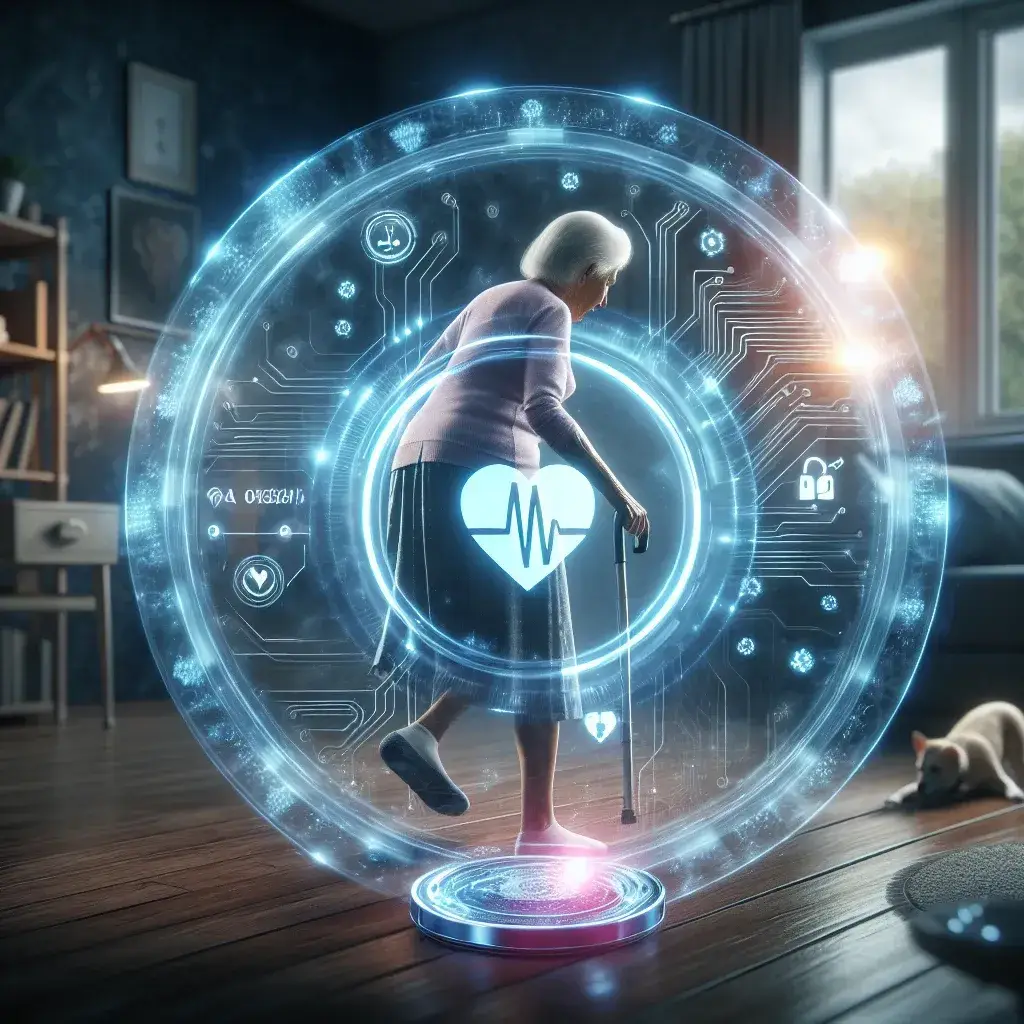
The need for innovative technology to ensure the safety and well-being of seniors has never been more urgent. Apple, a pioneer in consumer technology, is taking significant strides to address this issue by expanding its AI-powered fall detection systems specifically designed for senior citizens in U.S. homes. This initiative reflects a broader commitment to leveraging artificial intelligence to enhance the quality of life for older adults, ensuring they can live independently while receiving the necessary support in emergency situations.
The Growing Need for Fall Detection
As the population ages, the incidence of falls among seniors is becoming an increasingly pressing concern. According to the Centers for Disease Control and Prevention (CDC), one in four older adults experiences a fall each year, leading to severe injuries and, in some cases, fatalities. These statistics underline the importance of developing robust fall detection technologies that can alert caregivers and emergency services quickly.
Understanding the Technology
Apple’s fall detection technology, originally integrated into devices like the Apple Watch, utilizes a combination of advanced sensors and algorithms to detect sudden movements indicative of a fall. When a fall is detected, the device automatically alerts the user and can notify emergency contacts if the user remains unresponsive. This proactive approach aims to provide peace of mind for both seniors and their families.
Artificial Intelligence at Work
The enhancement of fall detection capabilities is largely attributed to advances in artificial intelligence. By employing machine learning algorithms, Apple’s system can differentiate between typical activities and actual falls, minimizing false alarms. This not only ensures that emergency services are alerted when truly necessary but also fosters trust in the technology among users.
Apple’s Expansion Plans
In 2023, Apple announced its plan to expand the availability of its AI-powered fall detection systems to a broader audience. This includes the recent introduction of software updates that enhance the existing technology, as well as partnerships with healthcare providers to promote its use in homes across the U.S.
Partnerships with Healthcare Providers
Collaboration with healthcare providers is critical in ensuring that the technology reaches those who need it most. By integrating fall detection systems into existing healthcare frameworks, Apple aims to create a seamless support network for seniors. This initiative not only improves emergency response times but also encourages preventive care, enabling seniors to remain healthy and active.
User Accessibility and Training
Accessibility is another cornerstone of Apple’s expansion approach. The company is committed to ensuring that seniors can easily use their devices, which involves simplifying the user interface and providing comprehensive training resources. Educational programs aimed at seniors and their caregivers are being rolled out, focusing on how to use fall detection features effectively.
Potential Impact on Seniors
The implications of this technology are profound. By enhancing fall detection systems, Apple is not just addressing a safety concern but is also encouraging independence among seniors. The ability to live at home with the knowledge that help is just a call away empowers older adults, allowing them to maintain their lifestyle without the constant worry of falling.
Case Studies and Real-Life Examples
Consider the story of Mary, an 82-year-old woman who lives alone in a suburban neighborhood. After a series of falls, she became hesitant to engage in her regular activities. Upon receiving an Apple Watch equipped with fall detection, Mary regained her confidence in moving about her home and community. The device not only alerted her family when she fell but also provided her with the reassurance that she was never truly alone.
Statistical Insights
Research shows that technologies like Apple’s fall detection can reduce emergency response times by up to 30%. Quick responses are crucial in preventing complications from falls, such as head injuries or fractures, which can significantly impact a senior’s recovery and quality of life.
Challenges and Considerations
While the expansion of fall detection technology is promising, it does come with its set of challenges. Privacy concerns related to monitoring and data usage, as well as the need for extensive training among users, must be addressed to ensure widespread adoption.
Privacy and Data Security
As with any technology that collects personal data, privacy remains a paramount concern. Apple has consistently emphasized its commitment to user privacy, implementing robust encryption protocols to protect sensitive information. Ensuring that seniors and their families feel secure about how their data is used will be vital for the success of these initiatives.
Training and Support
Effective training programs are essential in maximizing the benefits of fall detection technology. Apple’s initiative to provide user-friendly resources will help bridge the gap between technology and usability, particularly for those who may not be as tech-savvy.
Looking Ahead: The Future of AI in Senior Care
As Apple continues to innovate, the future of AI in senior care looks bright. The integration of AI-powered technologies in day-to-day life has the potential to revolutionize how we care for our aging population. With predictive capabilities, AI can help identify potential hazards in real time and suggest preventive measures to mitigate risks.
Potential Future Developments
Future developments may include the use of wearables that not only detect falls but also monitor vital signs, providing a comprehensive health overview. Additionally, smart home integrations that communicate with fall detection devices could create an even safer living environment for seniors.
A Cultural Shift in Aging
The expansion of fall detection technology also signifies a cultural shift in how we view aging. By promoting independence and enhancing safety, Apple is helping to destigmatize the challenges associated with growing older. This proactive approach fosters a narrative where aging is not synonymous with decline, but rather an opportunity for continued engagement and quality living.
Conclusion
Apple’s expansion of AI-powered fall detection for seniors in U.S. homes represents a landmark effort to ensure the safety and well-being of older adults. As technology continues to evolve, embracing these advancements will be crucial in enhancing the quality of life for seniors, allowing them to maintain their independence while having access to necessary support. The journey toward safer, smarter living environments for seniors has only just begun, and Apple is leading the way into a future where technology and care go hand in hand.