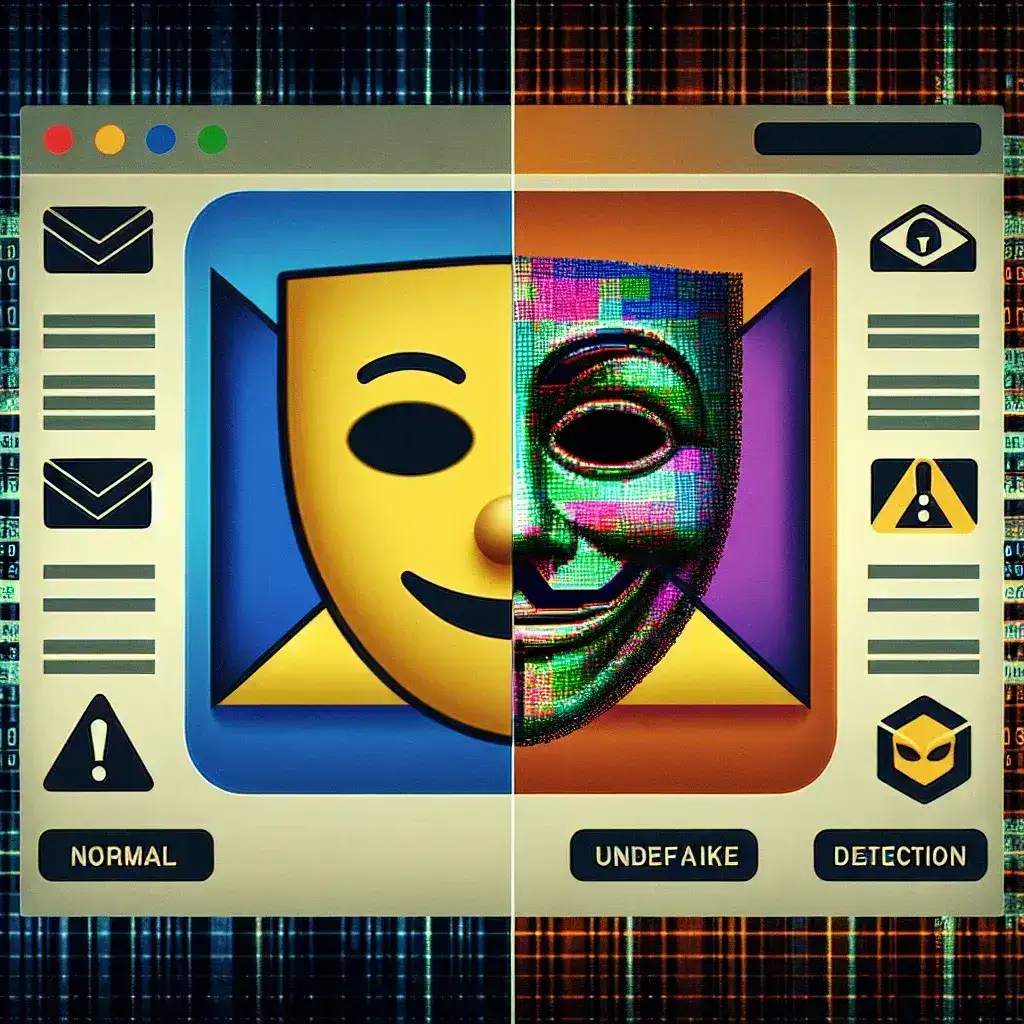
Understanding Deepfake Technology
Deepfake technology uses artificial intelligence to create realistic-looking fake videos or audio recordings. This technology can manipulate images and sound to imitate real people, making it a powerful tool for both entertainment and malicious activities. With the rise of deepfake technology, scams have become more sophisticated, often tricking unsuspecting victims.
The Rise of Deepfake-Based Scams
As deepfake technology advances, scammers are using it to create fraudulent emails and messages that appear legitimate. These scams often impersonate trusted figures, such as friends, family, or even company executives, to deceive targets into providing sensitive information or financial resources.
Statistics on Deepfake Scams
- A recent study found that deepfake scams have increased by over 200% in the past year.
- Approximately 30% of individuals report having encountered a deepfake-based scam in their inbox.
- Experts predict that deepfake technology will only become more prevalent, making it crucial for users to stay informed.
How to Spot Deepfake-Based Scams
Identifying deepfake-based scams requires a keen eye and a bit of skepticism. Here are some strategies to help you spot these fraudulent attempts:
1. Analyze the Sender’s Email Address
Always check the sender’s email address carefully. Scammers often use email addresses that closely resemble those of legitimate organizations but with slight variations. For example, instead of [email protected], they might use [email protected].
2. Look for Suspicious Language
Deepfake scams typically contain poor grammar, spelling mistakes, or awkward phrasing. If the message seems unprofessional, it could be a red flag.
3. Verify Requests for Sensitive Information
If an email asks for sensitive information, such as passwords or financial details, be cautious. Legitimate organizations rarely ask for sensitive information via email.
4. Check for Unusual Attachments or Links
Be wary of emails with unexpected attachments or links. These can lead to phishing websites or contain malware. Hover over links before clicking to see the actual URL.
5. Use Reverse Image Search
If you receive an email with images, you can use a reverse image search to check if they have been taken from elsewhere on the internet. This can help determine if they are authentic.
Steps to Protect Yourself from Deepfake-Based Scams
Protecting yourself from deepfake scams involves proactive measures. Here are some steps you can take:
1. Enable Two-Factor Authentication
Using two-factor authentication on your accounts can add an additional layer of security, making it more difficult for scammers to gain access.
2. Educate Yourself and Others
Stay informed about the latest deepfake trends and scams. Sharing this knowledge with friends and family can help create a safer online community.
3. Use Security Software
Installing reputable security software can help detect and block phishing attempts and malware, providing another layer of protection against scams.
4. Report Suspected Scams
If you encounter a deepfake scam, report it to the relevant authorities or the service provider. Reporting helps to track scams and may prevent others from falling victim.
What to Do If You Fall Victim
If you believe you have fallen victim to a deepfake-based scam, it’s crucial to act quickly:
1. Change Your Passwords
Immediately change passwords for any affected accounts. Use strong, unique passwords for each account.
2. Monitor Your Financial Accounts
Keep a close eye on your bank and credit card statements for any unauthorized transactions.
3. Notify Your Contacts
If scammers may have impersonated you, notify your contacts to prevent them from falling victim to similar scams.
The Future of Deepfake Scams
The future of deepfake technology is both exciting and concerning. As technology improves, the potential for abuse increases. However, advancements in detection tools may help mitigate risks. It’s essential to stay vigilant and informed about new developments in deepfake technology and online scams.
Conclusion
Deepfake-based scams present a significant threat in today’s digital landscape. By understanding how to spot these scams and taking proactive measures to protect yourself, you can safeguard your personal information and financial resources. Stay informed, stay skeptical, and always verify suspicious communications before taking action.
For more information on cybersecurity and protecting yourself from online threats, visit our website.