Introduction
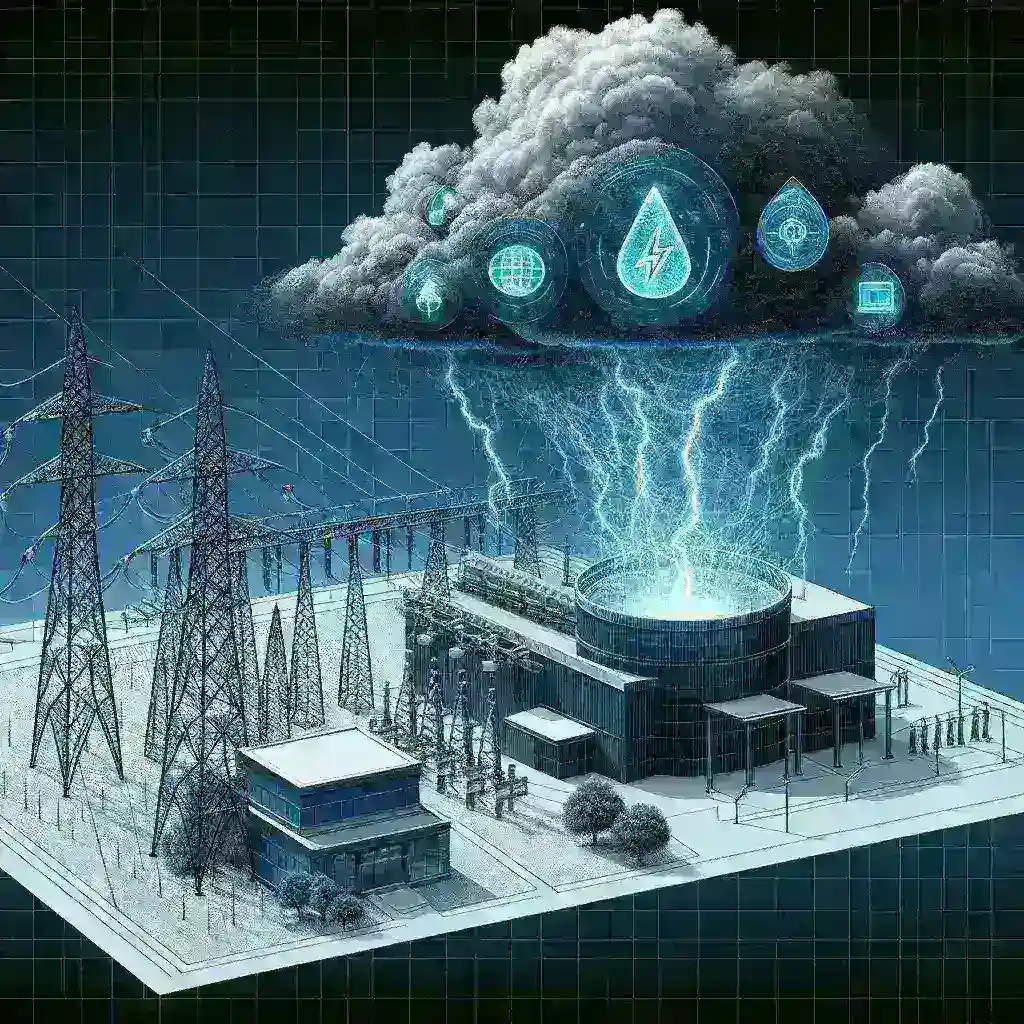
The modern power grid is not just a network of generators, transformers, and transmission lines; it is a complex system that supports the backbone of our economy and daily lives. As we increasingly rely on digital technology for operational efficiency, the threat landscape has evolved, giving rise to sophisticated cyber threats. This article delves into the power grid’s resilience against these new cyber threats, exploring historical context, current vulnerabilities, and future strategies for enhancement.
The Historical Context of Cyber Threats to Power Grids
Historically, power grids have been vulnerable to various forms of disruption. With the advent of the internet and digital controls, the grid became more interconnected, leading to new risks. The infamous 2003 blackout in the Northeastern United States highlighted the fragility of power systems, but it also marked a turning point for cybersecurity awareness. As the digital age progressed, incidents like the 2015 cyber-attack on Ukraine’s power grid underscored the imminent dangers posed by cyber threats.
Lessons Learned from Past Incidents
- Incident Awareness: The Ukraine attack revealed how cyber adversaries could manipulate critical infrastructure.
- System Vulnerabilities: Many existing systems were not designed with cybersecurity in mind, making them easy targets.
- Collaboration: The need for inter-agency and international collaboration in cybersecurity measures became evident.
Current Cyber Threat Landscape
As of 2023, the cyber threat landscape for power grids is more complex than ever. Cybercriminals have sophisticated tools and techniques at their disposal, employing tactics such as ransomware, phishing attacks, and Advanced Persistent Threats (APTs). These threats can originate from various actors, including nation-states, criminal organizations, and hacktivists.
Types of Cyber Threats
- Ransomware Attacks: Targeting operational technology can paralyze grid functions.
- Phishing Scams: These attacks often exploit human error, leading to compromised credentials.
- Denial of Service (DoS): Flooding systems with traffic can disrupt operations.
- Supply Chain Attacks: Cybersecurity breaches may occur through third-party vendors.
Vulnerabilities in Power Grid Systems
While technological advancements have improved efficiency, they have also introduced critical vulnerabilities. Many power grids still rely on outdated infrastructure and software that lack adequate security measures. Some of the most pressing vulnerabilities include:
Outdated Systems
Many components of the power grid are aging and have not been updated to accommodate modern cybersecurity standards. As a result, these outdated systems can become easy targets for cybercriminals.
Insufficient Training
Human error remains one of the leading causes of security breaches. Employees often lack adequate training in recognizing potential cyber threats and responding appropriately, making them vulnerable to social engineering attacks.
Interconnectedness
The increasing interconnectivity of systems can make it easier for threats to propagate. An attack on one section of the grid can potentially impact others.
Strategies for Enhancing Power Grid Resilience
To protect against emerging cyber threats, it is crucial to adopt a multi-layered approach to cybersecurity. Here are some strategies that can enhance power grid resilience:
1. Modernization of Infrastructure
Updating legacy systems and investing in cybersecurity protocols are essential steps to fortifying the grid against attacks. Implementing advanced technologies such as AI-driven monitoring can offer real-time threat detection and response.
2. Employee Training and Awareness
Regular training programs can equip employees with the skills they need to recognize and respond to cyber threats. This can significantly reduce the chances of human error.
3. Incident Response Planning
Having a well-defined incident response plan that outlines procedures for various attack scenarios is crucial. This plan should be regularly tested and updated to reflect changing threats.
4. Collaboration and Information Sharing
Establishing partnerships between government, industry, and academia can lead to better threat intelligence sharing and collaborative defense measures. Forums and initiatives focused on cybersecurity can help organizations stay informed about emerging threats.
Future Predictions for Power Grid Cybersecurity
As we look toward the future, several trends are expected to shape the cybersecurity landscape for power grids:
1. Increased Regulation
Governments are likely to introduce stricter regulations aimed at enhancing cybersecurity measures within critical infrastructure sectors, including power grids.
2. Adoption of Artificial Intelligence
AI and machine learning will play a pivotal role in predictive analytics, enabling organizations to identify and mitigate threats before they escalate.
3. Greater Emphasis on Resilience
Organizations will shift their focus from solely preventing attacks to building resilience, ensuring that systems can recover quickly from any disruptions.
Conclusion
As cyber threats become increasingly sophisticated, enhancing the resilience of power grids is of utmost importance. By understanding historical contexts, current vulnerabilities, and future strategies for improvement, we can better prepare for and mitigate the risks posed by cyber threats. The strength of our power grid lies not just in its physical infrastructure but in our commitment to cybersecurity and collaboration. By prioritizing these efforts, we can ensure that the power grid remains a reliable cornerstone of our society.